
Understanding the Role of Water Pressure in Plumbing Projects
When it comes to any home improvement project, plumbing installation is a critical part that homeowners cannot ignore. It involves setting up the pipes, fittings, and appliances needed to supply water throughout your home. A crucial factor to consider during this process is water pressure. The right water pressure ensures your plumbing system functions efficiently without causing damage to pipes or fixtures.
The Importance of Proper Water Pressure
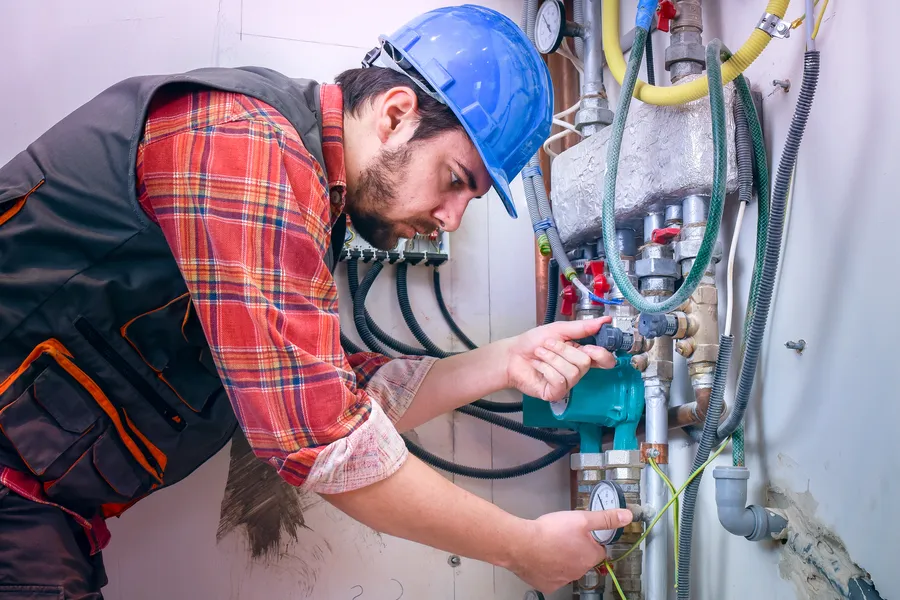
If you have ever experienced inconsistent water flow, you know how frustrating it can be. Low water pressure can mean weak showers and slow-filling sinks. On the flip side, if the pressure is too high, it might lead to leaks and burst pipes. Therefore, managing water pressure during plumbing installation is essential for long-term reliability and comfort.
Key Factors Affecting Water Pressure
Several elements influence water pressure in residential systems. Firstly, the height of your building impacts how gravity affects water flow. Secondly, pipe diameter plays a role; larger pipes allow more water to pass through freely. Lastly, local regulations often dictate maximum allowable pressure to prevent damage and encourage conservation.
Common Challenges in Managing Water Pressure
One common issue is fluctuating pressure levels, which may result from outdated infrastructure or seasonal changes in water demand. Another challenge is maintaining consistent pressure across different floors of multi-story homes. Addressing these challenges requires careful planning during plumbing installation.
Ensuring Optimal Water Pressure: Steps to Take
To achieve optimal water pressure, consider these steps:
- Install a pressure regulator to maintain consistent levels
- Ensure proper pipe sizing based on your home’s layout
- Regularly inspect and replace old or damaged pipes
Best Practices for Effective Plumbing Systems
Implementing best practices can improve your plumbing system’s performance significantly. These include choosing quality materials that resist corrosion, performing routine maintenance checks, and hiring qualified professionals for installations and repairs.
Understanding Relevant Industry Standards
The International Plumbing Code (IPC) provides guidelines on appropriate water pressure levels and plumbing practices. Compliance with these standards ensures safety and efficiency. Familiarizing yourself with local regulations is also vital since they might vary by location.
Cost Factors Linked With Water Pressure Management
It’s important to understand the costs tied to water pressure management. This includes expenses for installing regulators, upgrading piping systems, and potential repairs from undue strain caused by improper pressure levels. Investing in quality solutions upfront can save money over time by reducing repair needs and extending system lifespan.
Final Thoughts on Your Plumbing Needs
For homeowners looking to optimize their plumbing systems, understanding water pressure considerations is key. Ensuring proper installation and regular maintenance will keep your system running smoothly. By following best practices and consulting with experts, you can prevent many common issues related to water pressure. Based in Santa Rosa, CA, our team at Campos Plumbing Inc specializes in comprehensive plumbing solutions. Contact us today at (707) 480-5666 for professional assistance tailored to your needs.